
Dr. Shuvanan Ray
Director & Chief of Cardiology
Fortis Hospital Anandapur, Kolkata

Director & Chief of Cardiology
Fortis Hospital Anandapur, Kolkata
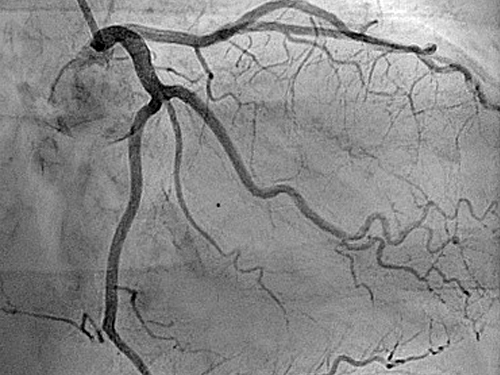
Coronary Angiogram
A coronary angiogram is a diagnostic X-ray procedure that uses a contrast dye to identify blockages or narrowing in the heart’s blood vessels.
Read More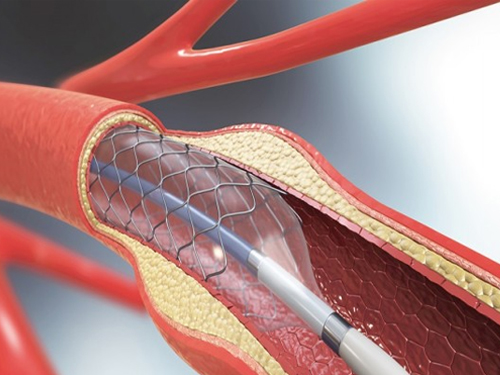
PTCA (Percutaneous Transluminal Coronary Angioplasty)
PTCA (Percutaneous Transluminal Coronary Angioplasty) is a minimally invasive procedure designed to open narrowed or blocked coronary arteries and restore blood flow to the heart muscle.
Read More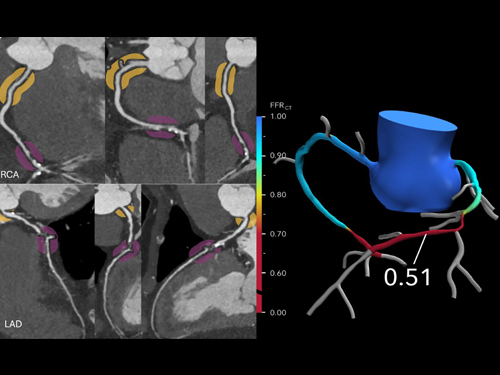
Advanced Coronary Imaging
Advanced coronary imaging utilizes cutting-edge technologies such as CT and MRI to non-invasively visualize the coronary arteries, assess heart structure, and detect plaque or blockages.
Read More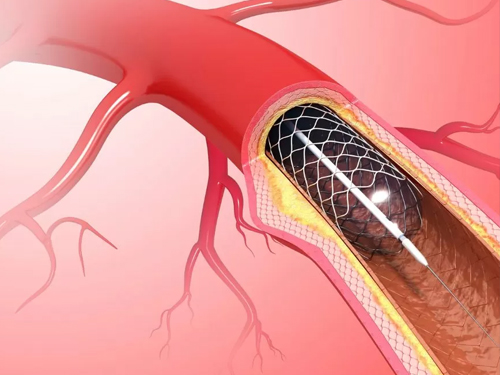
Complex Angioplasty
Complex angioplasty is an advanced procedure designed to treat challenging coronary artery blockages.
Read More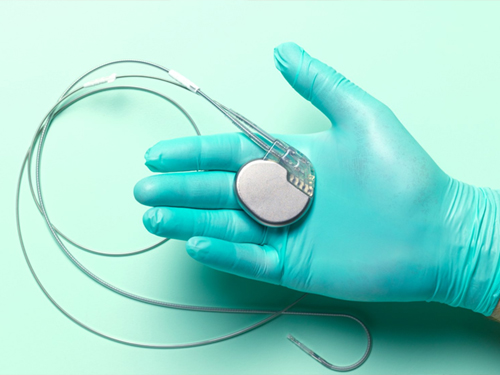
A pacemaker is a small device implanted under the skin near the collarbone to regulate the heart's rhythm. It involves placing a generator and leads (wires) into the heart via veins
Read More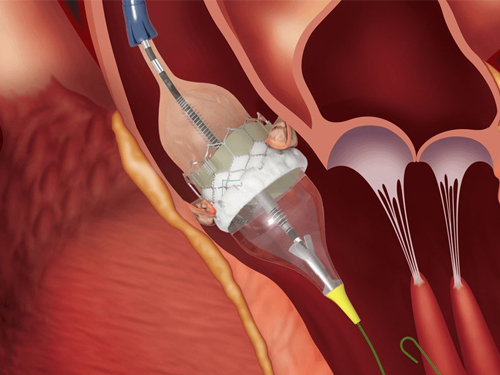
TAVI (Transcatheter Aortic Valve Implantation)
TAVI (Transcatheter Aortic Valve Implantation) is a minimally invasive procedure for replacing a diseased or narrowed aortic valve.
Read More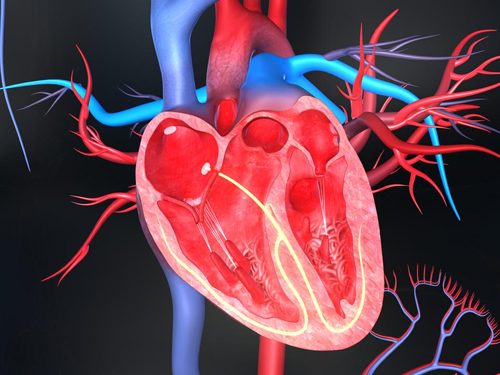
Structural Heart Disease
Structural heart disease refers to abnormalities in the heart’s structure, including the valves, walls, or chambers.
Read More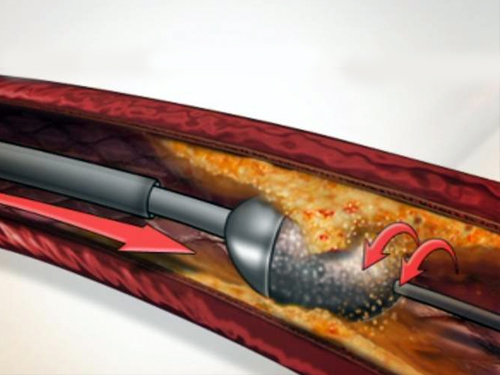
Rotablator Procedure
The Rotablator procedure (or Rotational Atherectomy) is a minimally invasive treatment for severely calcified coronary arteries.
Read More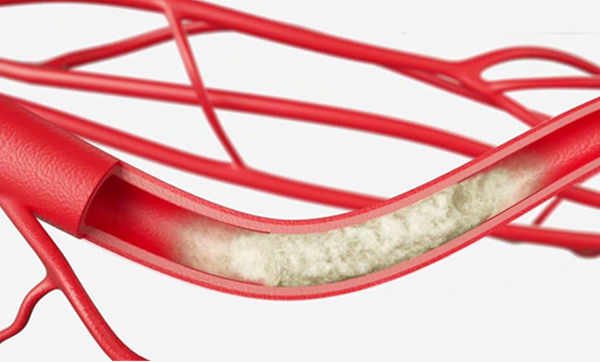
Chronic Total Occlusion (CTO)
A Chronic Total Occlusion (CTO) is a complete blockage of a coronary artery lasting for at least three months. This condition can reduce blood flow to the heart, leading to chest pain, shortness of breath,
Read More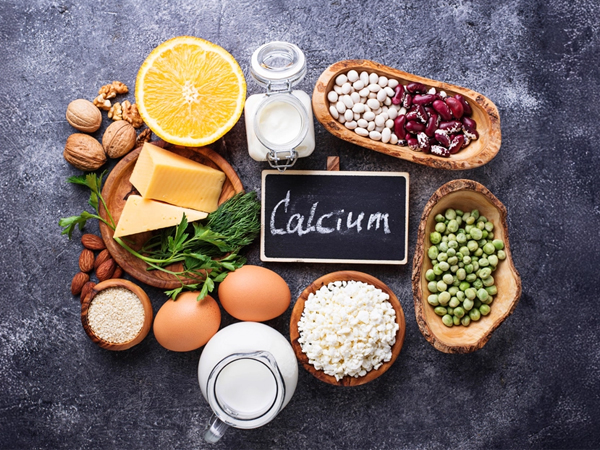
Calcium Management
Calcium management refers to maintaining proper calcium levels in the blood, regulated by hormones like parathyroid hormone (PTH), Vitamin D, and organs such as the kidneys, bones, and intestines.
Read More

